

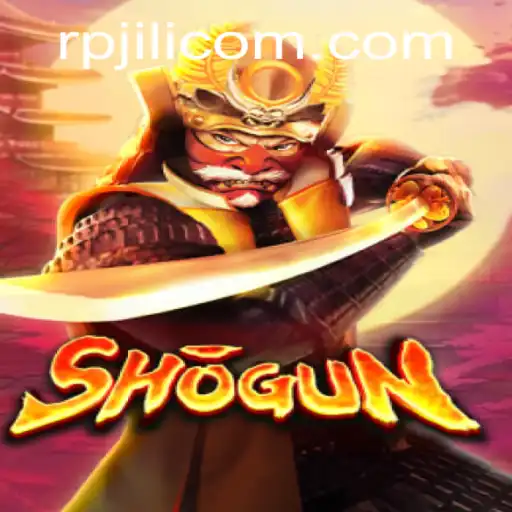

Explore the captivating world of Shogun, a unique strategy game intertwining historical narratives with immersive gameplay mechanics.
h1Shogun: A Tactical Expedition into Feudal Japanh1 h2Introduction to Shogunh2 pShogun is an intricate strategy game that transports players into the enigmatic world of feudal Japan. It offers an unparalleled experience where players assume the role of powerful warlords vying for supremacy in a land rich with tradition, honor, and conflict. Designed to challenge and engage the mind, Shogun blends historical narratives with innovative gameplay mechanics, providing an immersive experience that appeals to both strategy enthusiasts and history aficionados alike.p pIn recent months, the popularity of Shogun has seen a tremendous surge, driven in part by the increasing interest in board games that celebrate cultural heritage and strategic depth. As global events prompt individuals to explore indoor entertainment, Shogun emerges as a captivating choice, offering an opportunity to delve into a bygone era with every move made on the board.p h2The Essence of Shogunh2 pThe objective of Shogun is straightforward yet layered with complexity—players must strategically conquer territories, manage resources, and explore alliances to emerge as the ultimate Shogun, the military ruler of Japan. The game is set against a backdrop reminiscent of Japan during the Sengoku period, a time characterized by social upheaval, political intrigue, and relentless warfare.p pOne of the game's defining features is its emphasis on tactical planning. Unlike many other strategy games, Shogun requires players to meticulously plan their actions, anticipating the countermeasures of rivals and adapting to the changing dynamics of the game board. This necessitates not only strategic insight but also the ability to read opponents and make decisive maneuvers.p h2Gameplay and Rules of Shogunh2 pShogun is typically played with two to six players, each assuming the role of a daimyo, a territorial lord in feudal Japan. The game board is a map of Japan segmented into regions, each strategically important for its resources and defensive advantages.p pstrongSetupstrong: At the start, players receive a selection of units, resources, and territory cards that define their starting position. Each player places their units on the board, creating a visible map of alliances and conflicts right from the outset.p pstrongTurn Phasesstrong: Each turn in Shogun is divided into several phases, ensuring a balanced approach between offense and defense. Players must allocate resources to build armies, secure fortifications, and deploy units. Additionally, they can form temporary alliances to enhance their strategic position.p pstrongResource Managementstrong: A key component of Shogun is effective resource management. Players must balance their investment in military might with the development of their territories. Ensuring the prosperity of one's regions can yield significant advantages, such as increased troop production and strategic dominance.p pstrongCombatstrong: Engaging in battle is a calculated risk in Shogun. Players must weigh the benefits of conquest against the potential losses incurred in combat. The game uses a unique dice system to resolve conflicts, with factors like terrain, unit type, and strategic cards influencing the outcome.p pstrongVictory Conditionsstrong: The game concludes after a set number of turns or when a player achieves dominance by controlling a predetermined number of regions. Victory is not solely determined by aggression; a successful Shogun crafts a legacy of strategic foresight and prudent governance.p h2Current Events Influencing Shogun's Popularityh2 pIn an era dominated by digital entertainment, the resurgence of interest in board games speaks volumes about their enduring appeal. Shogun, with its compelling narrative and strategic depth, epitomizes this trend. As global events lead to shifts in recreational habits, many are turning to board games as a means of social interaction and intellectual challenge.p pMoreover, the recent emphasis on cultural appreciation and historical education has amplified the allure of games like Shogun. Players not only engage in tactical battles but also gain insights into Japanese history and the intricacies of a fascinating era. In educational settings, Shogun serves as a tool for teaching history through interactive learning, allowing students to immerse themselves in the power struggles of a bygone age.p pThe impact of the current global landscape, with its unique challenges and opportunities, is evident in the game community. Online forums and virtual gaming events have burgeoned, allowing Shogun enthusiasts worldwide to connect, compete, and collaborate. As digital platforms facilitate these connections, Shogun's community continues to grow, united by a shared passion for strategy and historical exploration.p h2Strategies for Mastering Shogunh2 pTo excel in Shogun, players must embrace a combination of reflection, strategy, and adaptability. It is essential to begin with a clear understanding of the game's mechanics and the strategic significance of each region on the board.p pOne advanced strategy is to focus on developing a few key territories rather than spreading resources thinly across the entire map. This concentration allows for a fortified base of operations, from which players can launch effective campaigns and respond swiftly to threats.p pAnother approach involves reading opponents and anticipating their actions. Understanding the motivations behind players' moves provides a strategic edge, enabling the savvy Shogun to outmaneuver rivals and capitalize on their mistakes.p pAdapting to the evolving state of the game is crucial. Players who remain rigid in their strategies may find themselves vulnerable to the dynamic shifts inherent to Shogun. Flexibility and a willingness to pivot strategies can often spell the difference between defeat and a coveted victory.p